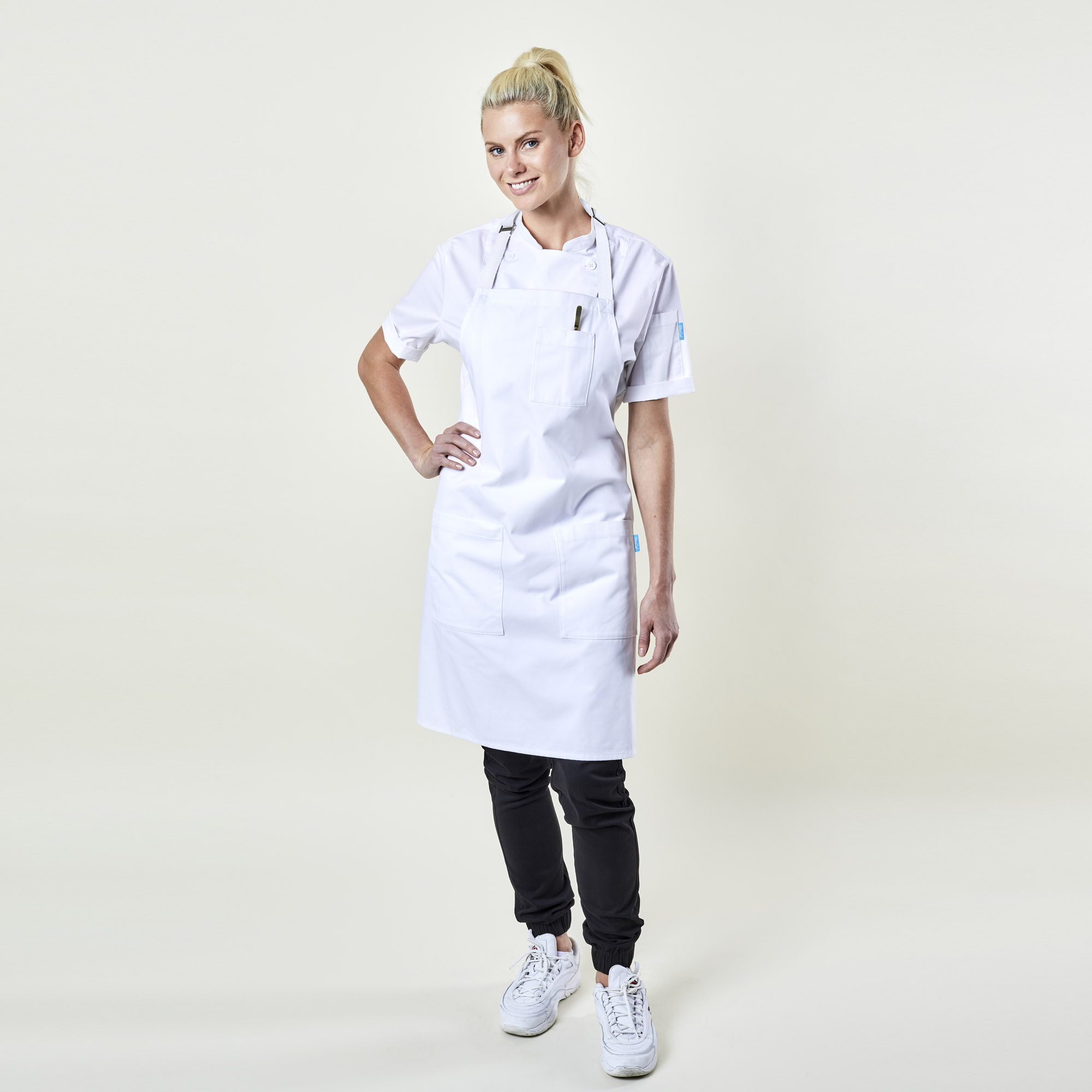
Choosing the right chef apron uniform involves more than selecting a garment that looks professional. In a busy kitchen or hospitality environment, an apron must support movement, protect clothing, provide convenient storage, and complement the overall appearance of the team. The ideal choice balances comfort, durability, practicality, and brand style so chefs can focus on their work without being distracted by their uniform.
Consider the Kitchen Environment
Start by thinking about where the chef apron uniform will be worn. A high-volume commercial kitchen may require a heavier, highly durable apron that can handle frequent washing and demanding daily use. A bakery, cafe, hotel, or open-kitchen restaurant may place greater emphasis on appearance and lightweight comfort. Understanding the working environment helps determine the right level of coverage, fabric weight, and design.
Choose a Practical Fabric
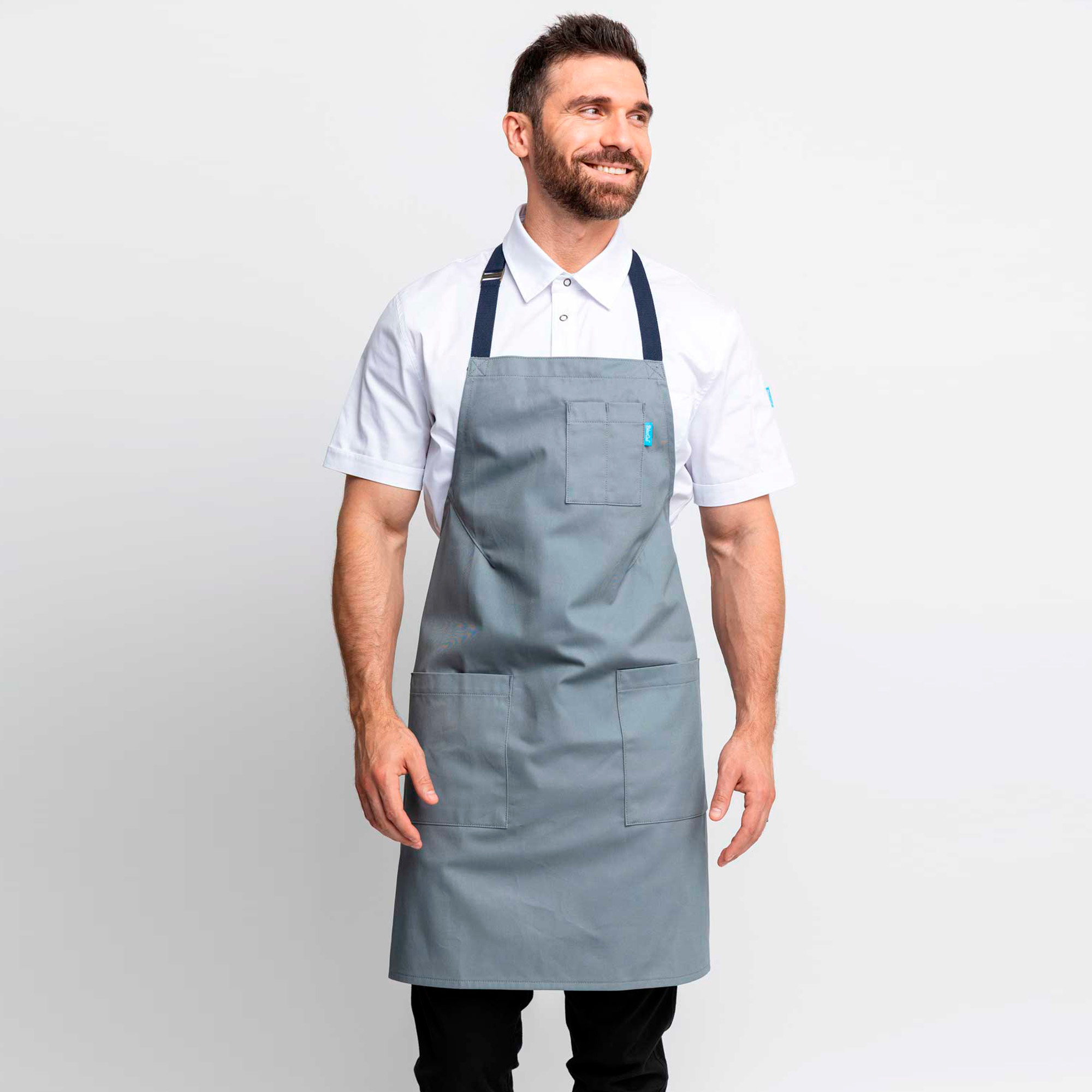
Fabric plays a major role in apron performance. Cotton blends may offer improved durability, easier maintenance, and better resistance to everyday wear. For demanding food-service operations, a fabric that maintains its shape and appearance after repeated laundering can be a valuable investment. The best fabric should suit the kitchen’s temperature, workload, cleaning routine, and expected frequency of use.
Select the Right Apron Style
Different apron styles offer different advantages. Bib aprons provide substantial coverage across the chest and torso, making them a popular choice for chefs and kitchen staff. Waist aprons are more streamlined and can work well for front-of-house employees or roles requiring greater freedom around the upper body. Cross-back designs can distribute weight across the shoulders and may reduce pressure around the neck during extended shifts. The right style depends on the responsibilities of the person wearing it.
Look for Useful Features
Functionality should be a priority when selecting a chef apron uniform. Spacious pockets can keep thermometers, pens, order pads, or other small essentials close at hand, while a towel loop provides convenient access to a kitchen towel during service. Adjustable straps allow employees to achieve a more secure fit, while reinforced stitching can improve durability in areas that experience frequent stress. Features should serve a practical purpose rather than simply adding visual decoration.
Prioritize Comfort and Fit
A professional apron should allow chefs to move naturally while chopping, cooking, plating, cleaning, and carrying supplies. An apron that is too restrictive can become uncomfortable during a long shift, while one that is too loose may interfere with work. Adjustable neck and waist straps, an appropriate length, and a comfortable fabric can make a significant difference. Team members should ideally have access to sizes and fits that accommodate different body shapes.
Match the Restaurant Brand
Uniforms contribute to how customers perceive a restaurant. Color, trim, embroidery, and other details can help create a consistent visual identity. A modern restaurant might choose minimalist colors and clean lines, while a traditional establishment could favor classic styling. Customization allows businesses to incorporate logos, staff names, brand colors, or other design elements without sacrificing functionality.
Consider Maintenance Requirements
Kitchen uniforms encounter food splashes, grease, heat, and frequent washing. Before choosing an apron, consider how easily it can be cleaned and how well it retains its appearance. Easy-care fabrics and durable construction can reduce replacement needs and simplify uniform management. A practical apron should continue looking professional after regular laundering.
Choose a Reliable Uniform Partner
BlueCut creates premium chef clothing and restaurant uniforms for demanding hospitality environments. Its collection includes aprons, chef coats, work shirts, t-shirts, hats, pants, vests, jackets and durable work wear designed around functionality and professional presentation. Businesses can also explore custom restaurant uniforms with personalized fabrics, colors, trims, embroidery, and branding to create a cohesive team appearance.
Conclusion
Choosing the right chef apron uniform means considering fabric, style, fit, functionality, maintenance, and brand identity together. A well-designed apron should protect clothing, support comfortable movement, and maintain a polished appearance throughout demanding shifts. By focusing on practical requirements and thoughtful customization, restaurants can provide their teams with uniforms that perform reliably while reinforcing a professional hospitality image.