Warm stones can make a massage feel calmer and softer. They do not have magic powers, and they are not a cure for an injury. Their main job is simple: gentle heat may help your body feel more relaxed while a therapist works on tight areas. For many people, that change in comfort is the best part.
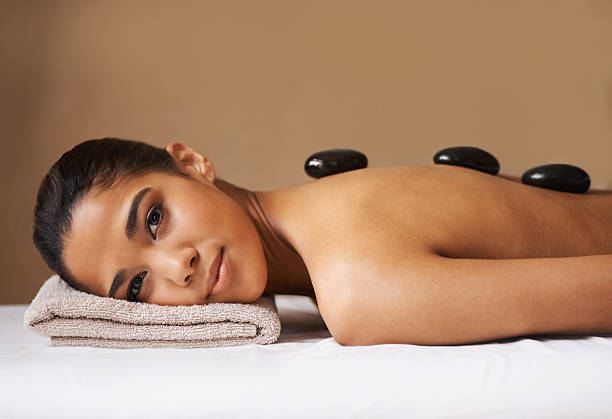
A hot stone massage uses smooth stones warmed in a controlled heater. A registered massage therapist may glide them over the skin, hold them in the hands, or rest them on selected areas. The stones are only one part of the appointment. Your health, comfort, and goals should guide the rest.
Warmth can help you settle
When you feel cold or tense, your shoulders may creep toward your ears and your hands may tighten. Gentle warmth can feel soothing and make it easier to rest. During a massage, warm stones may help you breathe more slowly and notice that your body is not bracing as much. This is a comfort effect, not proof that heat fixes the cause of pain.
Some people find that a warm treatment helps them unwind after a long day. Others prefer the quiet rhythm of ordinary massage. Both reactions are normal. You can tell the therapist if the room feels too warm, if you feel sleepy, or if you would rather have the stones removed. You never need to put up with discomfort just because a treatment is called relaxing.
A softer way to work on tight areas
Heat may make a tight area feel easier to touch. That can let a therapist use slower, gentler pressure instead of pushing hard. The therapist might use the stones over a broad muscle area, then switch to hands for smaller spots or careful movements. A stone should feel pleasantly warm, never sharp, burning, or painful.
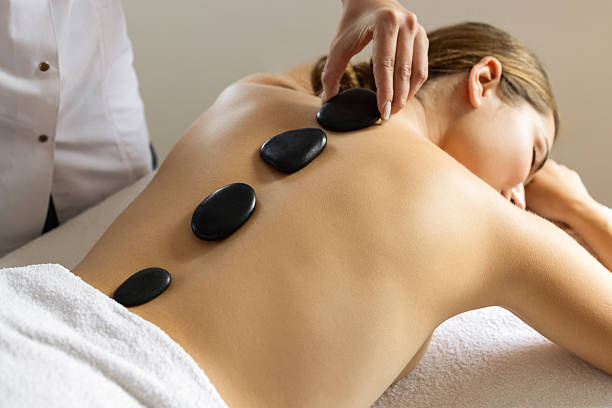
This can suit people who want warmth and massage in one visit. It may also help someone who finds strong pressure unpleasant. Still, a hot stone massage is not automatically better for every sore muscle. A fresh injury, swelling, a skin problem, or a health condition may call for a different plan. A therapist should ask about those things first.
Rest and stress relief matter too
Massage is often chosen because people want time to pause. A quiet room, unhurried touch, and warmth can make that break feel more complete. Afterward, some people feel calm or loose. Others feel little change, or feel mildly tender for a short time. Drink water if you are thirsty, stand up slowly, and give yourself a moment before rushing back into a busy day.
Treat the session as one part of caring for yourself. It cannot replace medical care, exercise, sleep, or a plan for ongoing pain. If pain is new, severe, getting worse, or linked with numbness or weakness, speak with a health professional instead of hoping massage will solve it.
Make the session fit you
Before the stones touch your skin, tell the therapist about your goals and any health concerns. Mention medicines, changes in sensation, circulation problems, pregnancy, recent surgery, or a skin issue. Ask for a cooler stone, less pressure, or a break whenever you need one. A good session is built around your feedback.
A small change can still be worthwhile
A helpful session does not have to create a dramatic change. If you feel more settled, can move more comfortably, or simply enjoyed a quiet hour, that may be enough. Pay attention to how you feel later that day and the next morning. If the area becomes much more painful, or you notice skin irritation, contact the therapist or a health professional. Next time, share what felt good and what did not. The therapist can make the stones cooler, use them for less time, or leave them out altogether. Your comfort is a better guide than a promise that every person will feel the same benefit.