If you are running a packaging operation, the right stretch film machine can be the difference between smooth daily output and constant production headaches. Whether you are wrapping pallets for logistics or protecting goods for international shipment, understanding how these machines work and what to look for will save you a significant amount of time and money. The stretch film industry has grown rapidly, and today there are more options than ever before.
What a Stretch Film Machine Actually Does
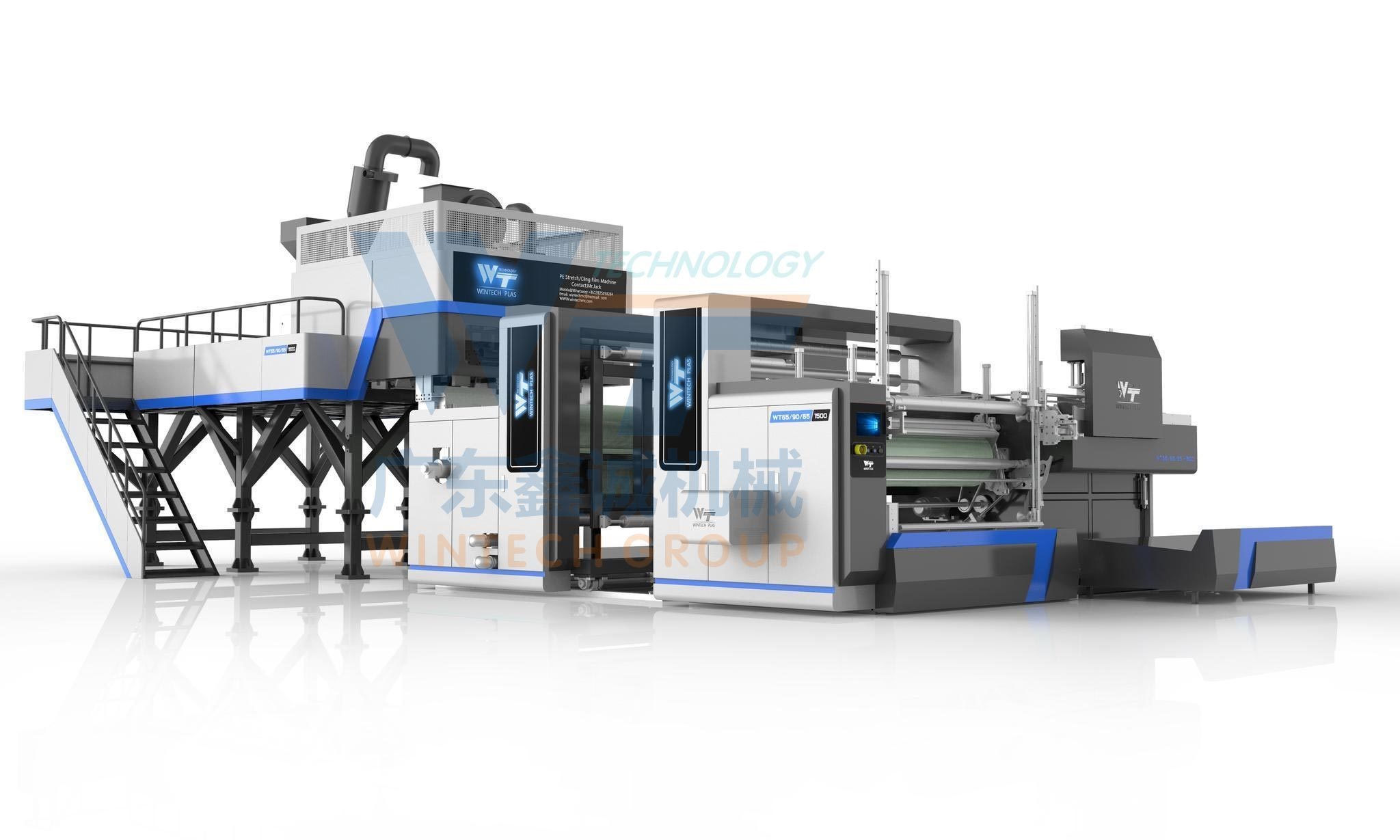
A stretch film machine takes polyethylene resin and converts it into a thin, highly elastic wrapping film through a cast extrusion process. The main motor and gearbox are connected by a rubber coupling, which helps reduce vibration and noise during operation. Alloy screws and sleeves go through good nitrogen treatment, which extends their service life considerably and keeps output stable for long production runs.
The automatic screen changer, powered by a hydraulic station, allows the machine to switch screens without stopping production. This is one of the most practical features because downtime costs money. Furthermore, the film produced is used to wrap pallets, bundle goods, and protect products during transport and storage. Quality stretch film made on a reliable stretch film machine clings to itself without needing adhesive, making it both efficient and clean.
Key Features That Separate Good Machines from Great Ones
When evaluating any stretch film machine, there are several important technical features to consider carefully.
- Motor and gearbox connection quality matters because it affects noise levels, heat generation, and overall machine lifespan.
- Screw and sleeve material directly impacts how long the machine runs without needing replacement parts.
- Screen changing capability determines how often you need to pause production for maintenance.
- Automation level ranges from semi-automatic models to fully automatic systems that change rolls without operator intervention.
- Width capacity determines the variety of film products you can produce, with common widths being 1250mm, 1850mm, and 2400mm.
Full Automatic vs Semi-Automatic Systems
Both types serve different production scales. A semi-automatic stretch film machine suits smaller operations where some manual input is acceptable. A full automatic system, on the other hand, is ideal for high-volume facilities where consistent output and minimal labor are the priorities. Automatic roll change systems reduce operator workload dramatically, allowing staff to focus on quality checks rather than manual handling.
Co-extrusion Technology and Layer Options
Modern stretch film making machines often offer co-extrusion capabilities, meaning the film is produced in multiple layers simultaneously. You can find two-layer, three-layer, and even five-layer co-extrusion stretch film production lines. Each additional layer adds strength, clarity, or specific performance characteristics to the finished film. Three-layer and five-layer films, for instance, tend to have better puncture resistance and holding force, making them suitable for heavier or more irregular loads.
Why Production Width Matters in Stretch Film Output
Width is not just a technical specification. It directly affects how many rolls you can produce per hour and what markets you can serve. The stretch film making machine range available today covers a broad spectrum from compact 1250mm lines to wide-format 2400mm systems. Wider machines produce more film per extrusion pass, which means better efficiency and lower cost per kilogram of film produced.
How the Rewinding System Affects Final Roll Quality
The rewinding system is equally important because it determines the quality of the finished roll. A well-designed rewind system ensures consistent tension across the entire film width, which results in neat, tight rolls that perform well during pallet wrapping. Loose or uneven rolls cause problems during application, which reflects poorly on the film product itself.
Choosing the Right Stretch Film Machine for Your Business
Before purchasing, it is worth mapping out your current and future production needs. Consider the following points honestly.
Think about your daily output requirements and whether you expect them to grow. A machine that barely meets today’s demand may fall short within two years. Also, consider the types of film you plan to produce, since some machines are better suited to standard hand wrap film while others are optimized for machine-grade or pre-stretched film.
Energy efficiency is another factor worth examining. Modern stretch film machines are designed to consume less power per kilogram of film produced compared to older models, which helps reduce operating costs over time. Additionally, ease of maintenance and the availability of spare parts should factor into your decision.
Conclusion
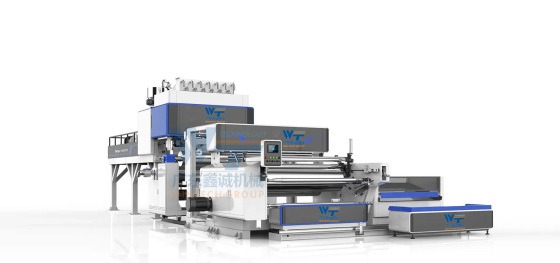
Choosing a quality stretch film machine requires looking beyond the price tag. The connection quality between components, the level of automation, the width capacity, and the co-extrusion options all play a role in determining how profitable and sustainable your film production operation will be. Taking the time to research thoroughly before investing will pay dividends for years to come.
About the Author