
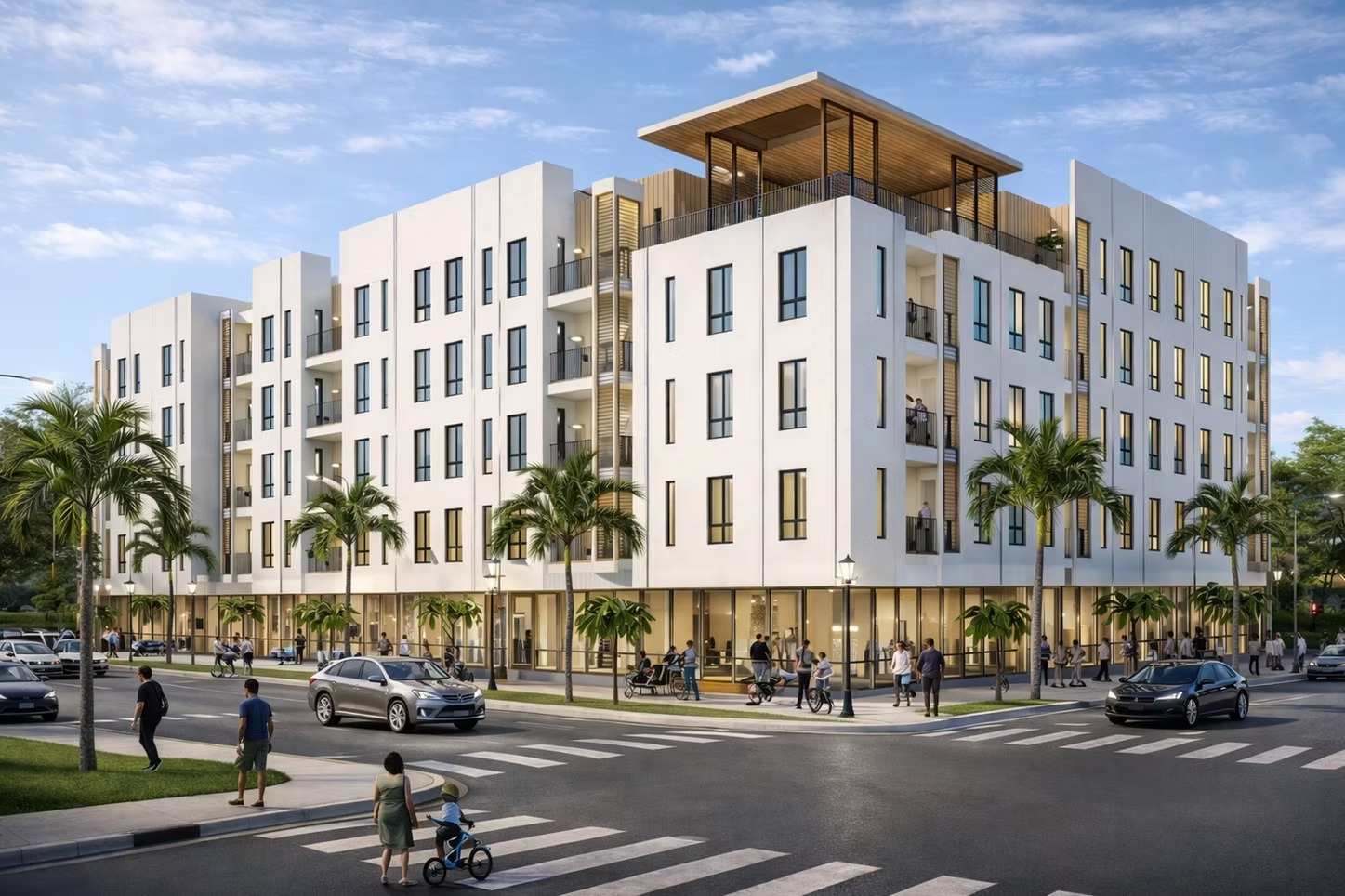
Real estate private equity continues to transition toward fully integrated operational frameworks to maximize investor yields. Vertically integrated firms provide comprehensive oversight across the entire development lifecycle, eliminating traditional operational friction. This centralized approach optimizes efficiency and ensures consistent quality control. Modern investors increasingly seek out these streamlined structures for reliable performance in competitive markets.
Consolidating development, construction, and management phases removes expensive third-party markups and administrative delays. Working alongside Miles Alexander Tampa highlights how internal coordination significantly improves net profit margins. When architects and property managers collaborate closely from day one, project timelines shrink. These streamlined operations directly translate into enhanced profitability and stronger distributions for equity partners.
Public-Private Synergy with Miles Alexander, Florida
Municipalities actively seek dependable corporate partners for extensive urban revitalization and infrastructure initiatives. Successful public-private partnerships require developers who deeply understand complex regulatory landscapes and civic objectives. Vertically integrated firms excel in these environments due to centralized accountability. This operational reliability fosters immense trust with public partners, leading to accelerated approvals and successful civic outcomes.
Collaborating on municipal projects demands absolute transparency and proven execution capabilities. Engaging with Miles Alexander, Florida provides local governments with the confidence necessary for major community developments. These synergistic relationships successfully transform underutilized land while stimulating local commerce. Ultimately, these public partnerships create sustainable urban spaces meeting both residential and commercial demands.
The Resilience of Real Estate Equity
Private equity investments in real estate provide a formidable hedge against macroeconomic volatility. Unlike traditional equities, physical property assets offer intrinsic value and steady rental income streams. Vertically integrated companies amplify these natural benefits by exercising strict control over ongoing operational expenditures. This hands-on management style guarantees assets remain optimized across all market cycles.
Furthermore, dedicated equity firms can strategically time market entry and exit points based on comprehensive data analysis. Monitoring macroeconomic indicators enables them to acquire undervalued assets or divest at peak valuations. This analytical rigor protects investor capital during downturns while capturing upside during expansions. The result is a resilient portfolio capable of withstanding complex financial climates.
Streamlining Construction and Delivery

Managing the construction phase in-house represents a vital advantage of vertical integration. External contractors frequently encounter setbacks due to competing client priorities and supply chain disruptions. Internal teams remain exclusively dedicated to the firm’s portfolio, minimizing downtime. This unwavering focus ensures developments are completed on schedule, accelerating the path to revenue generation.
Efficient construction management directly impacts the financial bottom line for all participating stakeholders.
- Internal oversight prevents costly architectural misinterpretations and design errors.
- Bulk purchasing of materials drastically reduces overall construction expenses.
- Dedicated labor forces ensure consistent, high-tier building quality.
- Faster completion timelines lead to quicker tenant occupancy and cash flow.
These core elements underscore the superiority of integrated development models.
Adapting to Shifting Market Preferences
As the real estate sector progresses, demand for sophisticated, integrated development solutions accelerates. Consumers expect modern living spaces equipped with advanced technology and sustainable amenities. Vertically integrated firms adapt rapidly to these shifting preferences due to agile corporate structures. Their streamlined processes allow implementation of innovative design trends without bureaucratic stagnation.
For public partners, emphasis centers heavily on sustainable and community-centric urban planning. Integrated companies mandate green building standards across their entire asset portfolio. This holistic commitment satisfies municipal mandates while attracting environmentally conscious renters. Consequently, these forward-thinking firms dominate the competitive private equity landscape.
Conclusion
In conclusion, vertically integrated real estate companies deliver exceptional value to modern investors, public partners, and consumers. Managing every aspect of the development lifecycle ensures superior asset quality and financial efficiency. This centralized approach mitigates risk while maximizing capital appreciation and reliable rental yields across diverse properties.
Ultimately, the future of real estate lies in comprehensive, fully integrated development strategies. Firms aligning the interests of equity providers, local governments, and end-users will thrive. By fostering strong partnerships and maintaining rigorous operational standards, these companies build resilient, profitable commercial and residential communities.
About the Author