
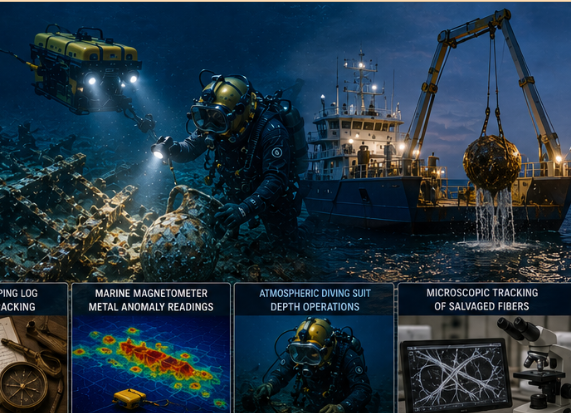
Reaching the ocean floor to study historic shipwrecks remains an incredibly difficult and expensive undertaking for researchers. Modern tools allow dive teams to explore deep marine zones that were totally unreachable to past generations. While these tools uncover incredible history, they also bring up serious questions about cultural heritage management.
Systematic Mapping in High-Pressure Ocean Environments
Finding historical shipwrecks requires running highly structured search patterns across massive expanses of open water. Exploration groups use autonomous underwater vehicles to map out rocky seafloor terrain with incredible precision. Once a potential target is confirmed, specialized diving teams verify the identity of the wreckage.
Ethical Representation in Deep-Sea Exploration Crews
The way an underwater discovery is shared with the general public can drastically change its long-term historical impact. Maintaining open communication about the true goals and location of an expedition builds essential trust with historians. When details are kept hidden, it creates immediate doubt about the true intentions of the group.
The global dialogue surrounding the Black Dive Expedition Controversy shows how modern salvage work is closely judged by public audiences. People are demanding much clearer protocols regarding who controls the final storytelling of recovered historical items.
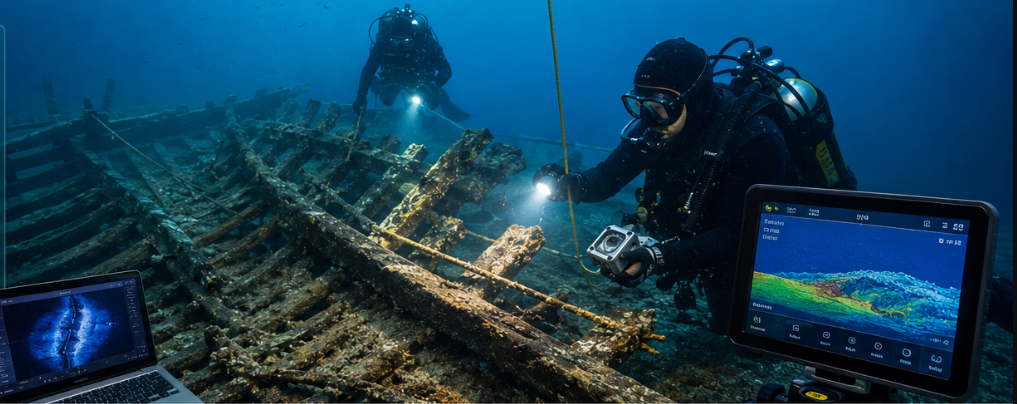
- Autonomous vehicle sonar seafloor mapping
- Sub-surface magnetic metal detection grids
- Real-time video feeds from depth
- Non-destructive physical structural scanning
How Technicians Stabilize Waterlogged Historic Woods
Submerged wood items become extremely soft and fragile because marine bacteria slowly eat away natural plant fibers over centuries. If an unpreserved piece of wood dries out quickly, it will split, crack, and shrink beyond recognition. Technicians slowly infuse these objects with liquid polymers over many months to maintain their shape.
Conclusion
Deep-ocean exploration provides an unmatched opportunity to expand our collective knowledge of historic trade routes and human migration. However, technical breakthroughs must always respect the cultural communities connected to those underwater sites. True progress in marine archaeology relies on open, honest, and collaborative research methods.
About the Author