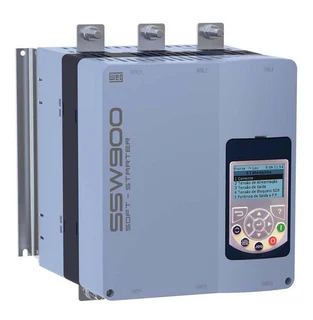
Understanding Drives in Industrial Applications
In today’s fast-paced industrial environment, drives play a crucial role in ensuring machinery operates with precision, efficiency, and reliability. Drives are devices used to control the speed, torque, and direction of electric motors, making them essential in a wide range of applications such as manufacturing, mining, water treatment, and energy production. By regulating motor performance, drives help optimize energy consumption while maintaining consistent output, which is vital for industries aiming to improve productivity and reduce operational costs. Companies like Denron Industrial provide high-quality drives that integrate seamlessly with motors, pumps, and control systems, enabling businesses to maintain smooth and uninterrupted operations.
Types of Industrial Drives and Their Functions
There are several types of drives commonly used across industries, each designed to serve specific operational needs. Variable Frequency Drives (VFDs) are among the most widely used, allowing precise control of motor speed by adjusting the frequency and voltage supplied to the motor. This not only enhances efficiency but also extends equipment lifespan by reducing mechanical stress. Servo drives, on the other hand, are used in applications requiring high precision and rapid response, such as robotics and automated assembly lines. DC drives are still relevant in certain legacy systems, offering simple and reliable control of motor speed and torque. Advanced solutions offered by trusted suppliers like Denron Industrial often include integrated systems compatible with leading global manufacturers such as WEG, ensuring performance consistency and long-term reliability.
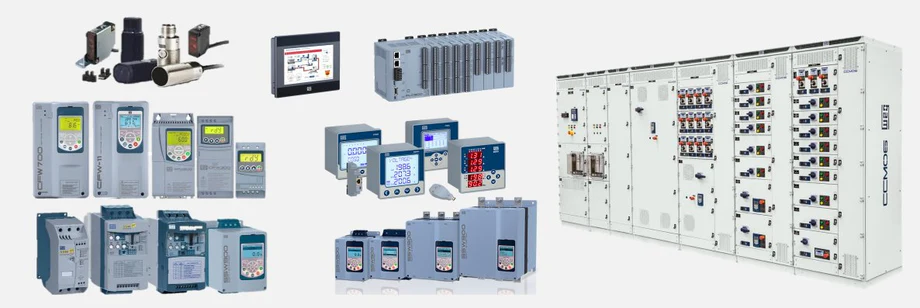
Importance of Drives in Energy Efficiency
One of the most significant advantages of using drives in industrial systems is energy efficiency. Motors that run at full speed continuously consume more energy than necessary, especially in applications where load demand varies. Drives help adjust motor speed according to real-time requirements, reducing unnecessary power consumption. This dynamic control leads to substantial energy savings, lower utility bills, and reduced environmental impact. For industries in Jamaica and beyond, adopting energy-efficient solutions from providers like Denron Industrial can make a measurable difference in operational sustainability while supporting global efforts toward greener industrial practices.
Enhancing Equipment Performance and Longevity
Drives not only improve efficiency but also enhance the overall performance and longevity of industrial equipment. By providing soft start and stop capabilities, drives reduce the mechanical and electrical stress that occurs during motor startup and shutdown. This minimizes wear and tear on components such as bearings, belts, and gearboxes. As a result, maintenance requirements are reduced, downtime is minimized, and equipment lifespan is extended. Reliable drives sourced from established suppliers like Denron Industrial, often paired with high-quality motor systems from WEG, ensure that industries can operate with confidence and reduced risk of unexpected failures.
Integration with Control Systems and Automation
Modern industrial operations increasingly rely on automation and smart control systems. Drives are a key component in this ecosystem, as they can be integrated with programmable logic controllers (PLCs), sensors, and monitoring systems to enable real-time control and feedback. This integration allows operators to monitor performance metrics, adjust settings remotely, and implement predictive maintenance strategies. Such capabilities improve operational visibility and help prevent potential issues before they escalate into costly breakdowns. Suppliers like Denron Industrial provide not only the hardware but also the technical expertise required to design and implement integrated drive systems tailored to specific industry needs.
Applications Across Multiple Industries
Drives are used across a wide variety of industries, each benefiting from their flexibility and control capabilities. In manufacturing, drives regulate conveyor systems, machining tools, and assembly lines. In the water and wastewater sector, they control pumps and treatment processes to ensure consistent flow and pressure. The oil and gas industry uses drives to manage compressors, pumps, and drilling equipment, while the agricultural sector relies on them for irrigation systems and processing machinery. The versatility of drives makes them indispensable in any sector that depends on motor-driven equipment. With dependable solutions from Denron Industrial, industries can access tailored drive systems that meet their specific operational requirements.
Choosing the Right Drive Solution
Selecting the appropriate drive involves considering several factors, including motor type, load requirements, environmental conditions, and control objectives. It is essential to work with experienced suppliers who can provide expert guidance and support throughout the selection and installation process. Technical compatibility, scalability, and after-sales service are also important considerations. Companies like Denron Industrial stand out by offering comprehensive support, competitive pricing, and access to globally recognized brands such as WEG, ensuring customers receive reliable and efficient solutions tailored to their needs.
Conclusion
Drives are a fundamental component of modern industrial systems, enabling precise motor control, improved energy efficiency, and enhanced equipment performance. Their ability to integrate with automation systems and adapt to varying operational demands makes them indispensable across multiple industries. By partnering with trusted suppliers like Denron Industrial, businesses can access high-quality drive solutions backed by technical expertise and reliable support. Whether used in manufacturing, utilities, or heavy industry, drives continue to play a vital role in optimizing operations and ensuring long-term productivity and sustainability.