
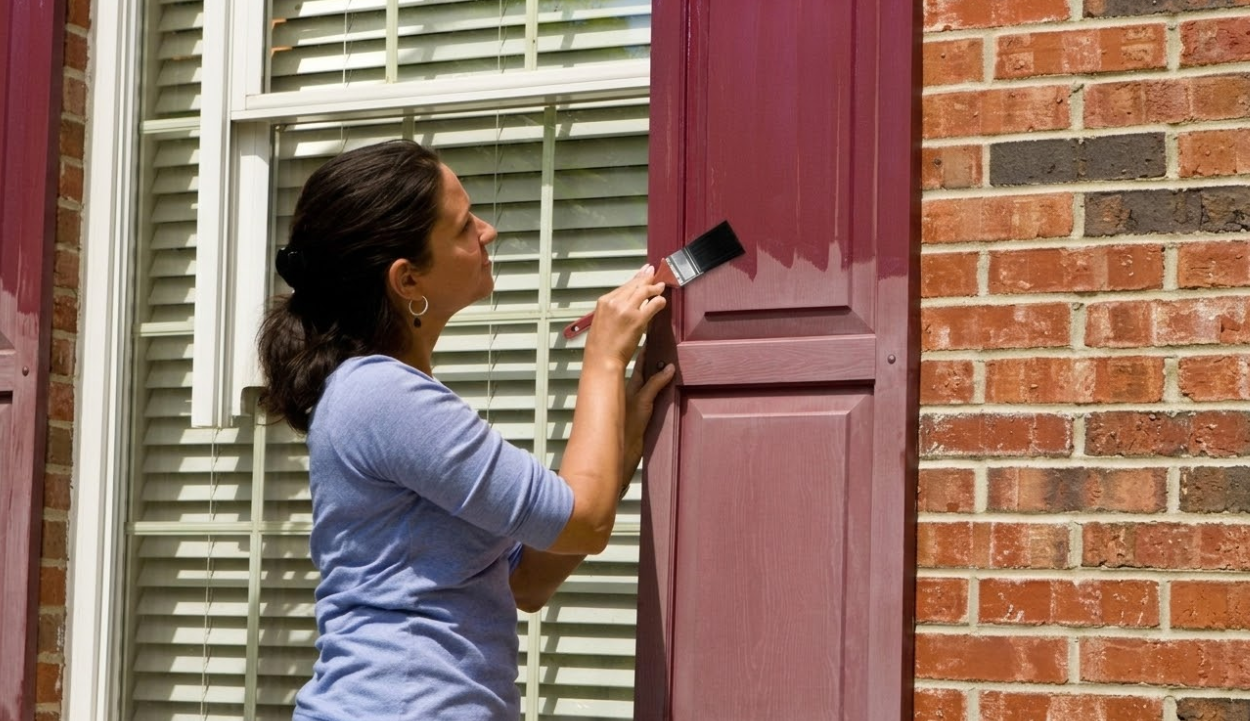
A well-maintained exterior can completely transform the look of your home, and shutters play a bigger role in curb appeal than many homeowners realize. Over time, even the most durable shutters begin to fade, lose their shine, and develop a weathered appearance. This is where painting plastic shutters becomes a popular solution for restoring visual appeal without replacing perfectly functional materials.
According to experts at Seal It Green, most plastic shutters that homeowners consider replacing are still structurally sound. The real issue is usually aesthetic rather than functional. With the right strategy, you can restore their appearance without unnecessary costs.
Plastic and vinyl shutters are designed for long-term durability, often lasting decades. However, exposure to sunlight, oxidation, and harsh weather conditions gradually reduces their visual appeal, making repainting or restoration an attractive option.
Why Painting Plastic Shutters Is a Popular Choice
Homeowners often choose painting plastic shutters as a cost-effective way to refresh their home’s exterior. Repainting allows for a color update and helps shutters match modern design trends or newly upgraded siding.
Instead of replacing shutters that are still in good condition, painting offers a way to extend their usability while improving aesthetics. Using the right vinyl shutter paint can also help achieve a smoother, more uniform finish.
However, while painting seems like a simple solution, it is important to understand both its benefits and its limitations before getting started.
Preparing for a Professional Finish
Preparation is the foundation of success when painting plastic shutters. Skipping this step often leads to peeling, uneven coverage, and poor long-term results.
Start by thoroughly cleaning the shutters to remove dirt, grime, and oxidation. A clean surface ensures better paint adhesion and a smoother finish. In many cases, a specialized cleaner designed for exterior plastics can help achieve the best results.
Light sanding can further improve adhesion by creating a slightly textured surface. While not always required, it can significantly enhance durability.
Applying a primer specifically made for plastic surfaces is another crucial step. It helps the paint bond properly and reduces the chances of peeling over time.
Choosing the Right Paint
Selecting the correct paint is essential when painting plastic shutters. Not all paints are suitable for plastic materials, and using the wrong one can cause long-term damage.
Some paints contain heat-absorbing pigments, which can warp shutters when exposed to sunlight. This makes choosing a high-quality vinyl shutter paint critical for maintaining both appearance and structural integrity.
Lighter shades are generally safer, as darker colors tend to absorb more heat. Choosing the right formulation ensures better flexibility, adhesion, and resistance to weathering.
Application Techniques for a Smooth Finish
The method of application plays a key role in achieving professional results. Even with high-quality materials, improper techniques can lead to streaks, uneven coats, or visible brush marks.
Spray painting is often preferred for its smooth and even coverage. It allows for a more polished look but requires careful masking to protect surrounding areas.
Brush and roller methods can also work effectively when done with precision. Applying thin, even coats and allowing proper drying time between layers helps prevent buildup and ensures a clean finish.
Challenges You Should Know
While painting plastic shutters can improve appearance, it comes with several challenges. One of the most common issues is peeling, as paint does not always adhere well to plastic surfaces over time.
Fading is another concern. Just like the original shutter color fades due to UV exposure, painted surfaces are also vulnerable to sunlight and weather conditions.
Based on industry experience, Seal It Green has observed that many painted shutters begin to lose their finish within a few years, requiring repainting and additional maintenance.
The process itself is also time-consuming, involving cleaning, sanding, priming, painting, and cleanup. Many professionals even recommend removing shutters before painting to avoid accidental damage to surrounding areas.
A Smarter Alternative to Painting
Although painting plastic shutters is a common approach, it is not always the most efficient or long-lasting solution. Restoration products provide an alternative that focuses on renewing the original color rather than covering it.
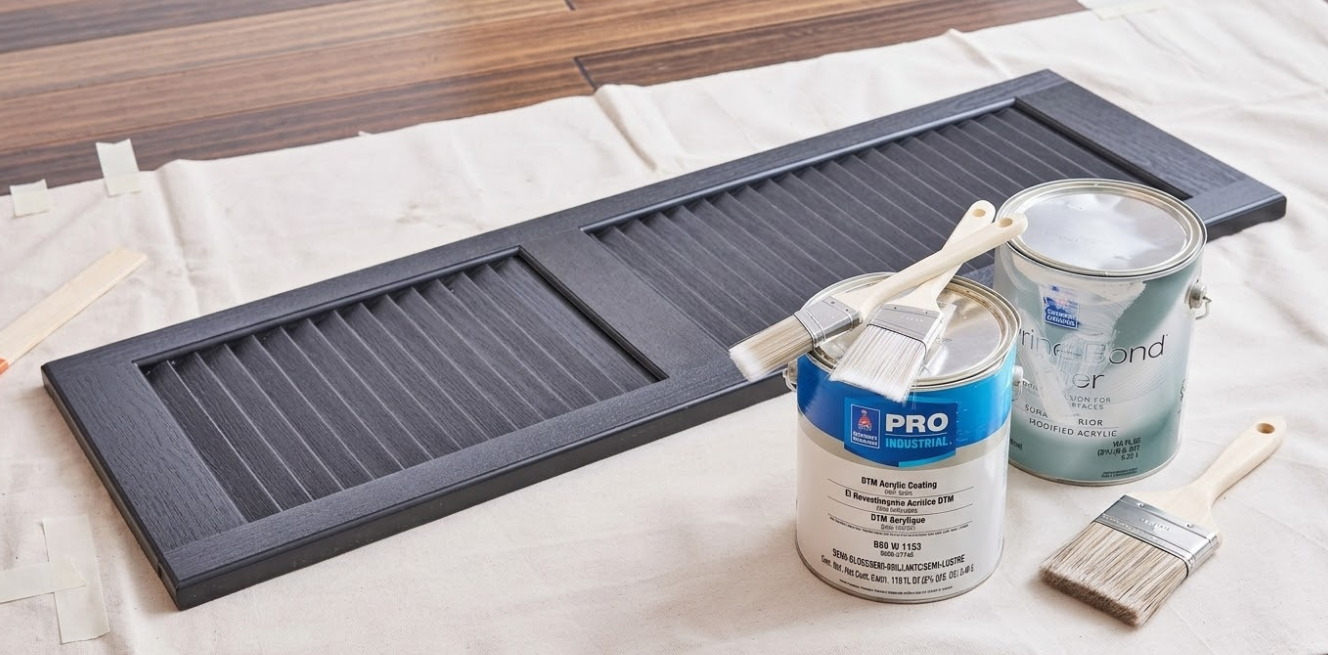
At Seal It Green, restoration solutions are often recommended because they are easier to apply, less messy, and deliver longer-lasting results. Instead of peeling or chipping, these products penetrate the surface and restore the original finish.
This method eliminates the need for extensive preparation and reduces the time required for the project. It also provides a more natural look compared to painted surfaces.
Mistakes to Avoid
One of the biggest mistakes homeowners make is skipping proper preparation. Without cleaning and priming, paint is more likely to fail prematurely.
Using the wrong paint is another common issue. Not all products are designed for plastic, and poor choices can lead to damage or reduced durability.
Some homeowners also experiment with oils or non-specialized products, which can harm the shutters instead of improving them. Investing in the right solution from the start saves time and money.
Making the Right Choice
Deciding whether to proceed with painting plastic shutters depends on your goals. If you are looking for a quick visual refresh, painting may work as a short-term solution.
However, if you want long-lasting results with minimal maintenance, restoration is often the better option. It provides consistent performance without the recurring effort required for repainting.
Conclusion
Painting plastic shutters can be an effective way to enhance your home’s exterior and improve curb appeal. With proper preparation, the right materials, and careful application, you can achieve a clean and updated look.
However, it is important to consider the long-term reality. Paint can fade, peel, and require ongoing maintenance, making it less durable over time.
Seal It Green believes that homeowners should explore all available options before starting their project. While painting plastic shutters offers a temporary improvement, restoration solutions often provide a more reliable, cost-effective, and long-lasting result.
By making an informed decision, you can ensure your shutters not only look great but continue to add value to your home for years to come.
About the Author