Homeowners who start paying attention to their driveways quickly encounter two terms that often get used interchangeably but actually describe very different services: crack sealing and seal coating. Using them interchangeably leads to misunderstandings that result in the wrong service being applied at the wrong time, which means money spent without the protection it was meant to provide. Understanding what each one does, when each one is appropriate, and how they work together is the kind of practical knowledge that makes you a better consumer of pavement services and a better steward of your property. This article breaks down the distinction clearly and explains why a complete maintenance program includes both. crack sealing in particular is the step that most homeowners skip, and it is the one that makes everything else more effective.
What Seal Coating Does and Does Not Do
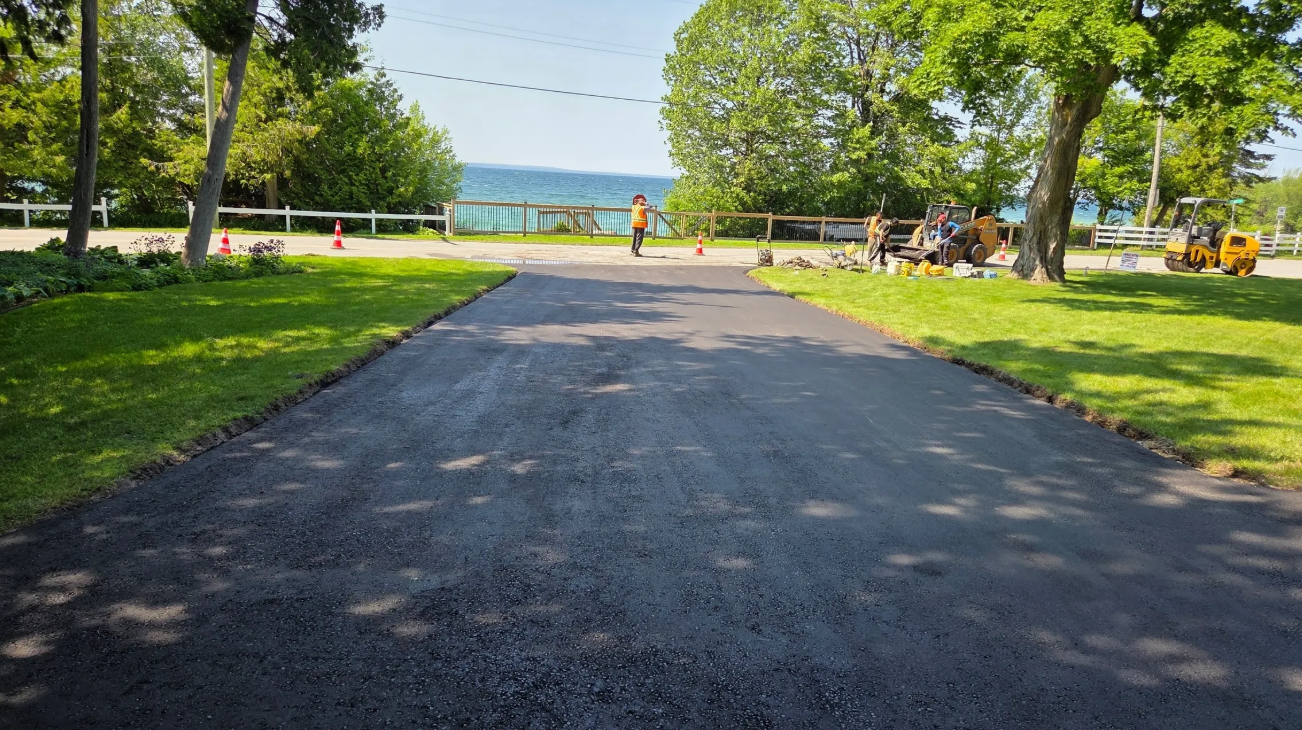
Seal coating applies a thin protective layer over the entire asphalt surface. It restores the dark appearance of weathered asphalt, replenishes oils lost to UV oxidation, provides a barrier against fuel and oil spills that degrade binder material, and slows the surface-level water infiltration that comes from general exposure. A freshly seal coated driveway looks like new, and with regular applications on the correct schedule, it genuinely extends pavement life by slowing the aging process at the surface.
What seal coating cannot do is bridge or fill existing cracks. Applied over an open crack, seal coat material simply flows into the void and cures there, leaving a surface that looks sealed but is not structurally addressed beneath the cosmetic layer. The first freeze-thaw cycle will demonstrate this clearly as the crack re-appears through the fresh seal coat, often wider than before because the water that entered through the void had nowhere to go during freezing. Seal coating over unsealed cracks is one of the most common maintenance mistakes property owners make, and it is entirely avoidable.
What Crack Sealing Does and When It Should Come First
Crack sealing addresses specific voids in the pavement surface with a material designed to fill, bond to, and flex with the crack through temperature cycling. Where seal coating is a surface-wide protective treatment, crack sealing is a targeted structural intervention. Its job is to eliminate the entry points through which water reaches the sub-base, which is where the most damaging deterioration occurs. This is why crack sealing should always precede seal coating in any properly sequenced maintenance program.
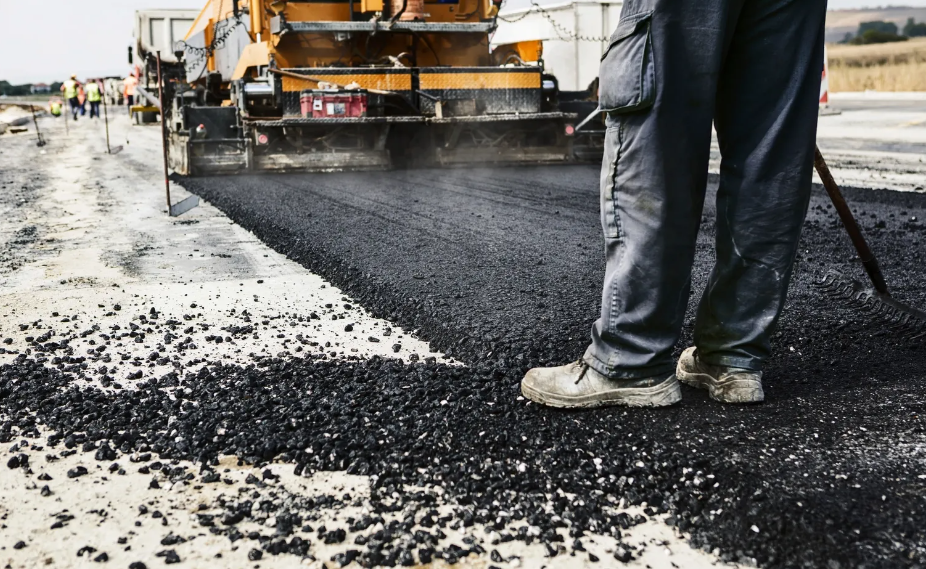
The correct order is to clean and seal cracks first, allow the sealant to cure fully, and then apply seal coat over the entire surface. This sequence ensures that the seal coat adheres to a continuous, unbroken surface rather than bridging open gaps. The result is a maintenance treatment where both services perform as intended, rather than one undermining the other. Contractors who skip this sequence, or who apply seal coat without first assessing and addressing cracks, are delivering an incomplete service regardless of how good their materials are.
How to Know When Your Driveway Needs Each Service
A simple annual inspection in spring, after the frost has left the ground and new cracks are visible, is all it takes to stay ahead of both maintenance needs. If you see new or widened cracks, crack sealing is the first priority before any other surface work is considered. If the surface is oxidized and gray but structurally intact with no meaningful cracking, seal coating alone may be all that is needed to restore protection and appearance for another cycle.
For surfaces that have both crack damage and overall oxidation, the full program applies: crack sealing first, followed by seal coating once the sealant has cured. On older surfaces that show widespread cracking covering a large percentage of the total area, neither service addresses the underlying problem, and a conversation about resurfacing or full replacement is more appropriate than applying maintenance treatments to a surface that has moved beyond them.
Property owners who want to compare what well-maintained driveways look like at different stages of the maintenance cycle can find useful visual references through contractor project galleries. Companies that invest in documenting their crack sealing and seal coating work give prospective clients a realistic basis for evaluating quality before committing to any service.
Conclusion
Crack sealing and seal coating are not competing services. They are complementary ones that work together to protect asphalt from the two primary mechanisms of deterioration: water infiltration and surface oxidation. Apply them in the right sequence, on the right schedule, and your driveway will reward you with years of reliable performance that reactive maintenance alone cannot deliver. Understand the difference, respect the sequence, and hire contractors who do the same.