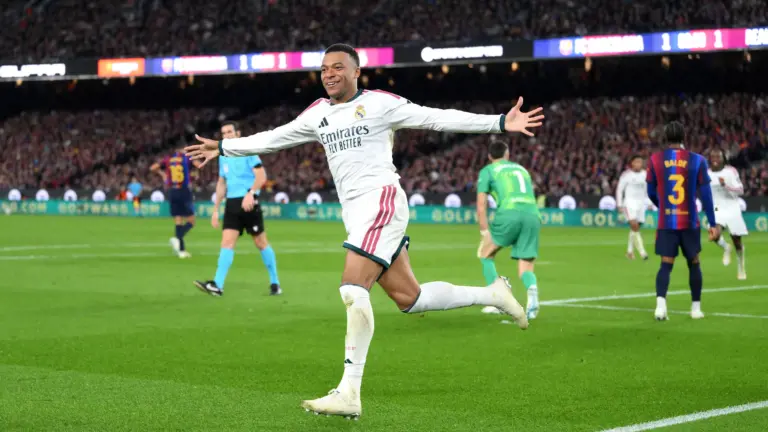

Kylian Mbappe stats
Every sports season produces a handful of moments that people talk about long after the final whistle. Kylian Mbappe’s 100th goal for Real Madrid, delivered in a match-winning night against Barcelona, belongs on that list. Yet the conversation should not end with highlights and celebrations. Kylian Mbappe stats carry lessons for marketers, executives, and anyone who cares about how high performance is built and sustained. A great athlete is also a case study in preparation, branding, and timing. In this piece, we step away from the match report and look at what a landmark goal reveals about leadership, reputation, and the economics of attention in a crowded sports world.
The Business Case Behind a Superstar Signing
When a club brings in a global name, the decision is never purely about goals. Shirt sales, sponsorship appeal, television value, and international reach all enter the calculation. Football finance people often describe this as the halo effect. A single player lifts everything around him.
But a halo only shines if results back it up. That is why a milestone like 100 goals matters so much commercially. It converts a promise into evidence. Supporters see a return on the investment. Partners see a face they can trust. Rivals see a reason to worry.
The Clasico setting multiplies the effect. Few fixtures in sport attract such a large worldwide audience. Scoring in that arena, and helping win it, puts a player in front of fans who might not follow the league week to week. For a brand, that kind of exposure is difficult to replicate with advertising alone.
Practical Ways to Turn Milestones Into Momentum
You do not need a stadium to apply the same thinking. Any team, company, or creator can turn achievements into lasting attention. Here is how.
Plan the story before the moment arrives. Madrid and Mbappe’s camp knew a 100-goal mark was approaching. That allows content teams to prepare statistics, archive footage, and fan messages in advance. When your own milestone nears, whether it is a sales target or an audience goal, draft the story early.
Use data as a hook, not a lecture. People connect with numbers when they come with a narrative. One striking figure, explained clearly, beats a spreadsheet dump every time.
Share credit widely. Great forwards thank the players who passed to them and the staff who built the plan. Leaders who do the same earn trust and keep their teams motivated.
Stay consistent after the celebration. The most valuable part of any milestone is what follows. Fans remember the player who keeps delivering, not the one who peaks once.
What Experts See in a Performance Like This
Analysts who follow elite football often point to three qualities when they discuss players at this level: repeatability, composure, and adaptability.
Repeatability means the output is not an accident. Scoring a hundred times for one club suggests a method, a set of habits, and a body that holds up under heavy fixture loads. Composure explains why chances turn into goals when the stadium is loud and the opponent is the biggest rival in the sport. Adaptability shows in how a player adjusts to new teammates, tactical demands, and a different style of play after leaving a previous club.
Think of a seasoned chief executive stepping into a new company. The title is the same, but the culture, the people, and the pressure are all different. Success depends on how fast that person learns. Mbappe’s journey in Madrid follows a similar arc, and the milestone suggests the adjustment has worked.
Coaches also stress the role of environment. A player of this caliber thrives when the system around him is clear and the supporting cast understands how to use his strengths. That is a lesson for any manager building a team.
The Road Ahead for Sports Business and Fan Engagement
Looking forward, the way fans experience milestones is changing quickly. Short video clips travel faster than match reports. Personalized stat cards appear within minutes of a goal. Younger audiences often meet a player through social feeds before they ever watch a full ninety minutes.
That shift rewards organizations that move quickly and speak honestly. Clubs will keep investing in digital storytelling, and athletes will keep building personal brands alongside their playing careers. Expect more partnerships built around authentic moments rather than staged campaigns.
There is also a talent lesson here. As competition for star players grows, clubs that offer stability, a clear role, and a strong sense of purpose will have the edge. Money opens the door, but belonging keeps a player performing.
For readers working outside sport, the takeaway is practical. Build something worth talking about, document it well, and be ready to share it when your moment arrives.
Conclusion
Mbappe’s 100th goal for Real Madrid, scored in a victory over Barcelona, is a reminder that excellence has value far beyond the scoreline. Looking closely at Kylian Mbappe stats reveals a story about preparation, composure, and the power of a well-timed performance. Whether you manage a team, market a product, or simply love the game, the principle holds. Results matter most when they are backed by consistency, and stories matter most when they are told with care.
FAQ
- Why does a milestone goal matter to a club’s business? It turns a star’s potential into proven value, which supports merchandise, sponsorship, and global fan interest.
- What makes El Clasico such a valuable stage? It draws one of the largest audiences in world sport, so big moments there carry exceptional visibility.
- How can non-sports businesses learn from this story? Prepare your milestone narrative early, use data to support a human story, and keep delivering afterward.
- Are individual stats enough to judge a player? They are a strong starting point, but context such as opposition, role, and team impact completes the picture.
About the Author